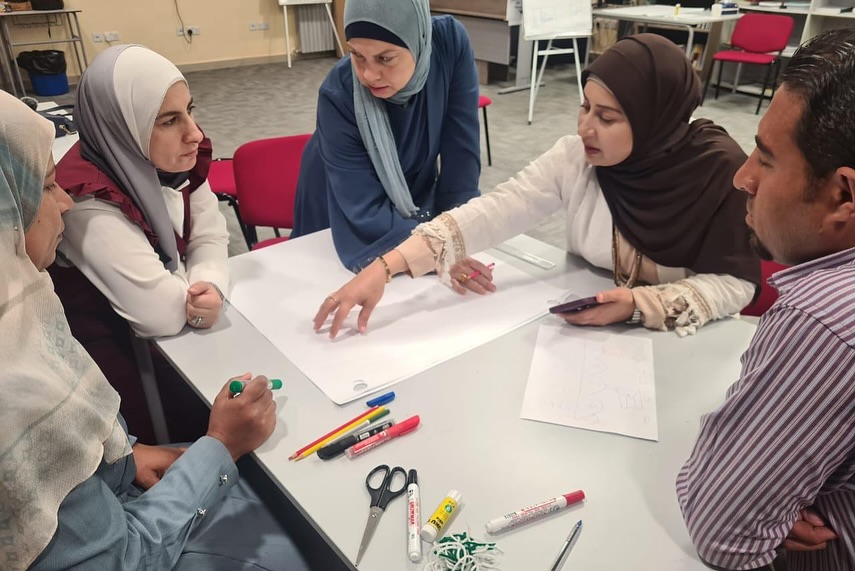
Drama in Education for Teachers

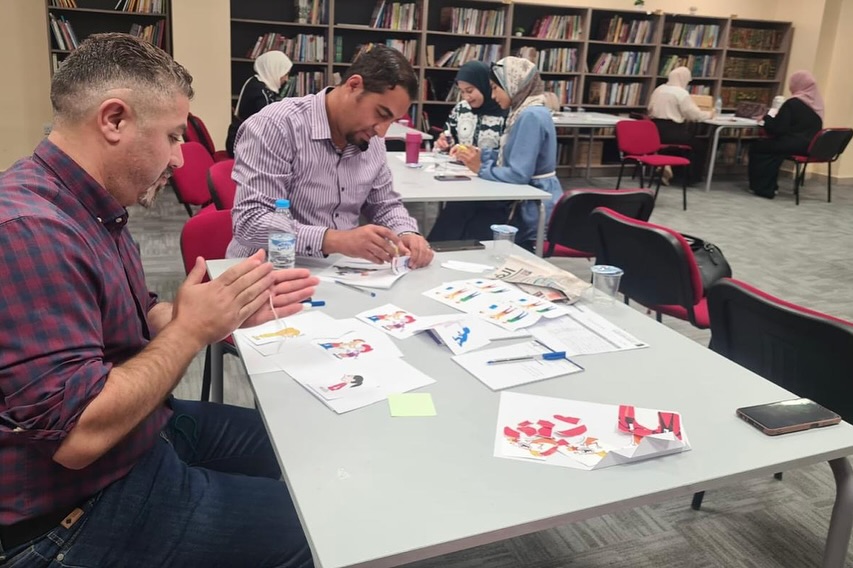
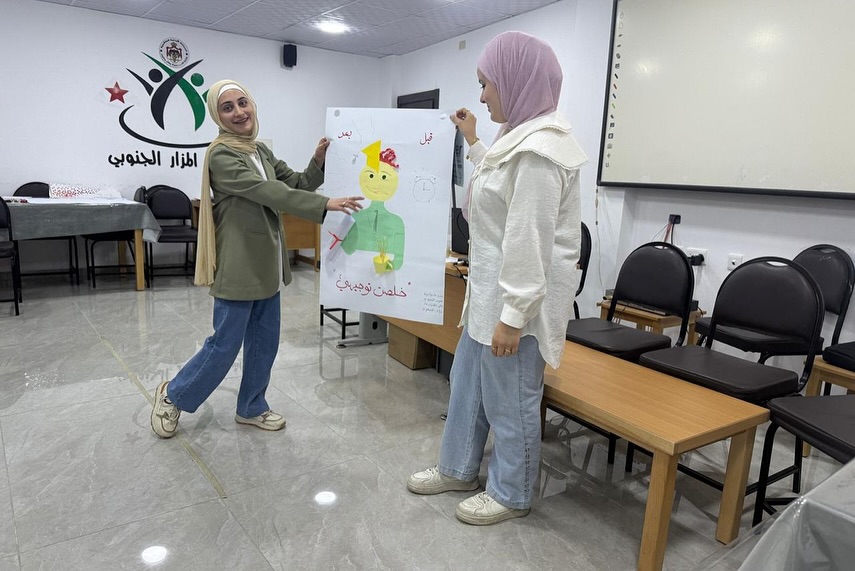
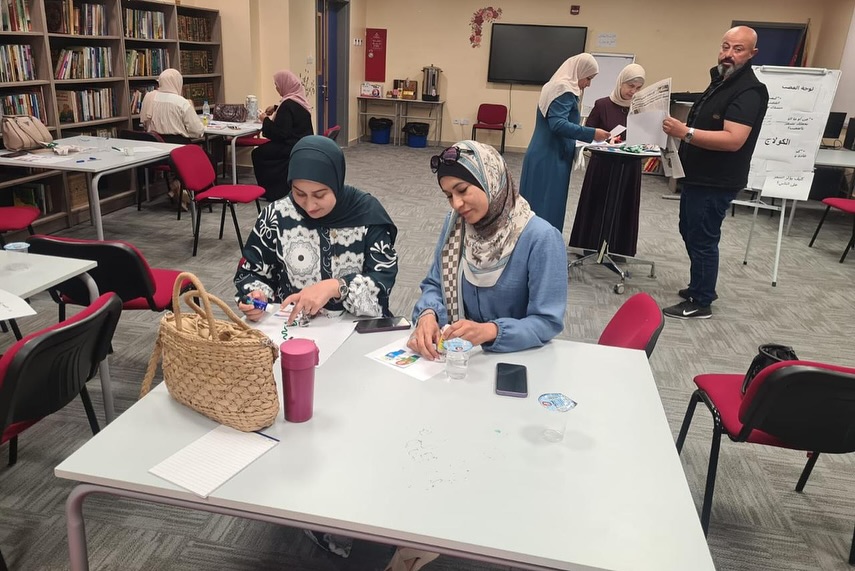
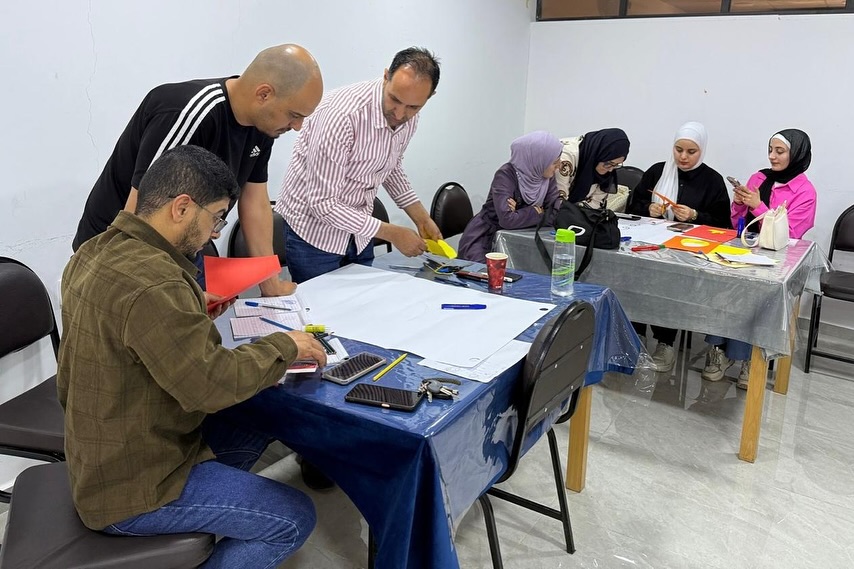
The Drama in Education & Theatre Arts Techniques Training Courses for Teachers introduce educators to practical ways of using drama and theatre inside the learning process. The program is designed for teachers who want their classrooms to become more active, expressive, and student-centered, where learning happens through participation as well as explanation.

The courses also respond to a practical school need. They prepare teachers to implement drama activities with students as part of the Ministry of Education’s policy of allocating two weekly periods for extracurricular activities for grades 1-12. This makes the training directly connected to classroom practice, not separate from it.

The program is based on the “Drama in Education and Theatre Arts Techniques Manual”, produced by specialists from NCCA and the Ministry of Education. The manual is available in Arabic, supported by a video guide that demonstrates how activities can be implemented in practice.

This is a sample (demo) model of the teacher’s guide. If you need access to the full manual, please contact us to find out the sample production method.

The program also strengthens the relationship between education and the arts. It shows that creativity is not separate from serious learning. When used well, drama can make difficult ideas easier to approach, encourage students to listen to one another, and create a classroom culture where expression and respect grow together.

”When drama enters the classroom, students do not only listen to knowledge. They step into it, question it, and make it their own.“

Course Framework

The program is organized around two main sections: Drama in Education and Theatre Arts Techniques. Together, they offer a balanced pathway that combines educational purpose with practical creative tools.

The Drama in Education section focuses on strategies teachers can use to make learning more participatory. These include creative drama games, the five senses, role-playing, improvisation, voice and speech, mime, story creation, creative writing, and creative movement. Each method helps students approach knowledge through action, imagination, expression, and reflection.


The Theatre Arts Techniques section introduces interactive theatre, facilitator techniques, and methods for creating short theatre scenes around social issues. Teachers learn how to guide students in building simple scenes that connect classroom learning with values, relationships, choices, and real-life situations.

Why It Matters

Many classrooms still depend heavily on one-way instruction. Drama-based learning offers another path. It invites students to use their voices, bodies, emotions, and imagination as part of the learning process. This can help students who may not respond strongly to traditional teaching methods, while also deepening engagement for the whole class.

The training supports the 4 Cs of 21st Century Skills: critical thinking and problem solving, communication, collaboration, and creativity and innovation. These skills are not treated as abstract outcomes. They are practiced through group work, role play, discussion, creative movement, and the process of building and reflecting on scenes.

NCCA’s impact assessments from 2018 to 2024 showed benefits including reduced bullying, enhanced academic performance, improved communication, and a more positive school environment. These results reflect the wider value of drama as a tool for both learning and school culture.

Practical Teacher Outcomes

Teachers leave better prepared to integrate drama activities into lessons in ways that support learning rather than distract from it. They gain practical methods they can adapt across age groups and subjects, using theatre-based ideas in ways that fit their own classroom realities.

The program also helps teachers think more deeply about participation, expression, and how students learn through action, emotion, imagination, and interaction. It strengthens the connection between educational goals and creative practice, showing how arts-based methods can enrich mainstream teaching.

Course Details

The course runs for 40 to 64 training hours, with at least 20 participants in each training course. It is accredited by the Ministry of Education, the International Theatre Institute (ITI) of UNESCO, and the National Center for Culture and Arts.

By helping teachers bring drama into the classroom with clarity and purpose, the program supports a richer, more human, and more participatory vision of education.

Cart (0 items)

NCCA – The National Centre for Culture and Arts

Contact Info

Sun - Thu : 8:30 -16:30
+962-6-5690292
Info@ncca.org.jo

Office Address

70 Ibn Al Haitham St. Arjan, Amman, Jordan