Theatre Based Techniques (TBT)
Theatre Based Techniques (TBT) is a specialized training pathway at NCCA that uses theatre as a practical tool for awareness, facilitation, education, advocacy, and community dialogue. It is designed for people who work with groups and need creative methods that encourage participation rather than one-way communication.
The program is based on the Theatre Based Techniques for Peer Education manual produced by UNFPA in 2005. NCCA translated the manual into Arabic and developed it to reflect Arab culture and traditions. An advanced training manual was later created in collaboration with project founder Dr. Alexandar Sasha Bodiroza and original authors Dr. Cydelle Berlin and Mr. Ken Hornbeck.
Course Details
The basic TBT training is 40 hours, and the advanced training is also 40 hours. Each course requires at least 20 participants. The training is accredited by the Ministry of Education, the International Theatre Institute (ITI) under UNESCO, and the National Centre for Culture and Arts.
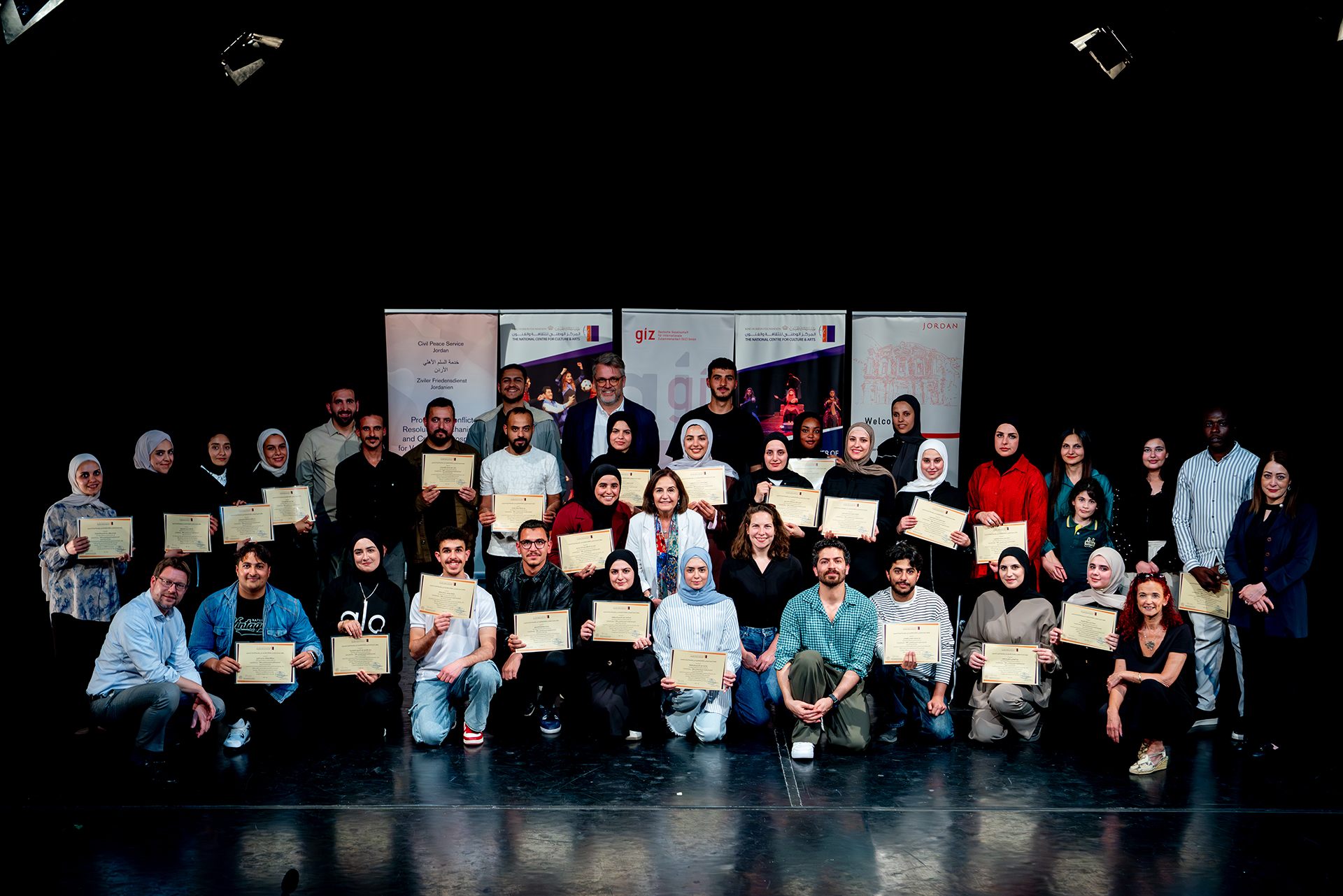
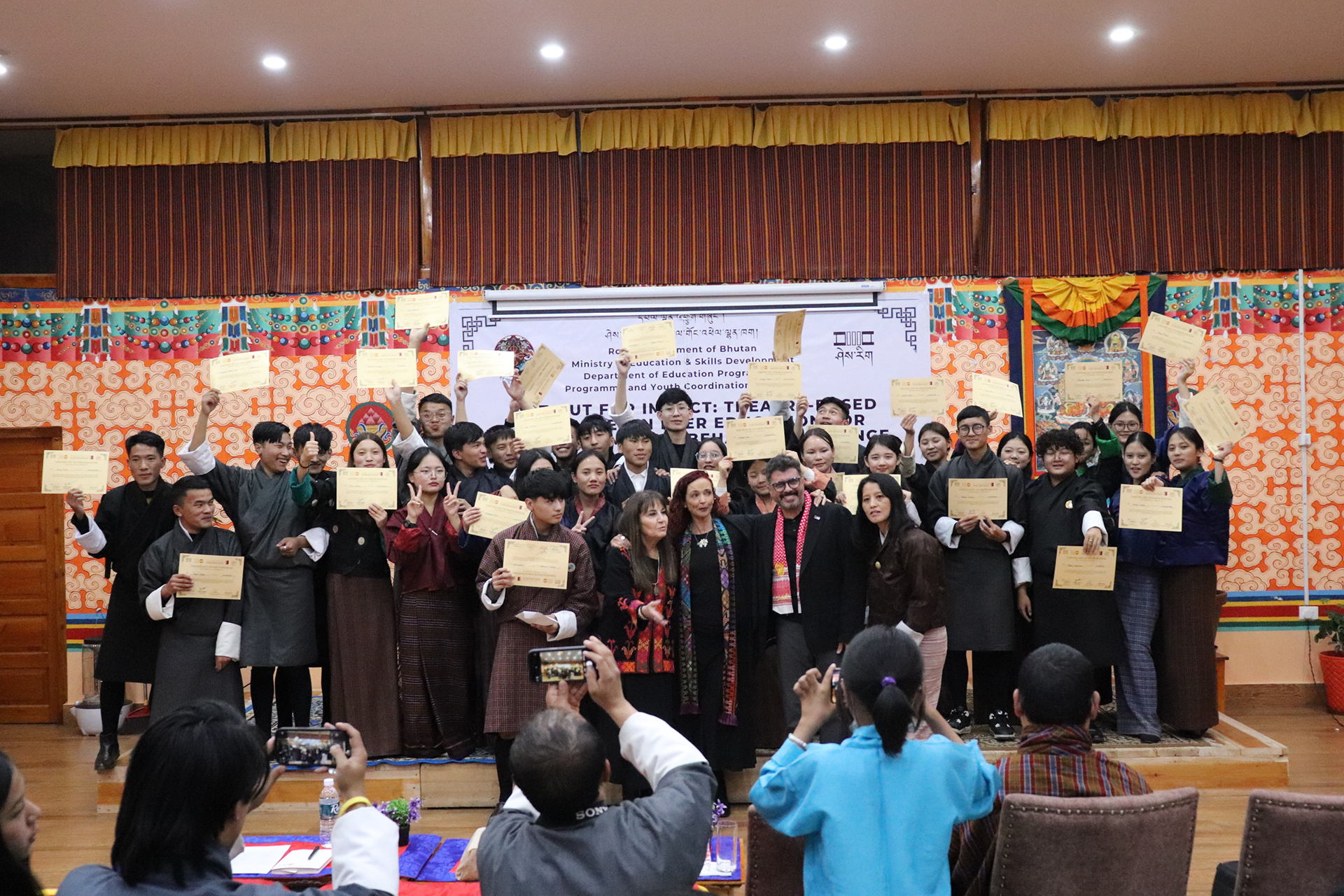
NCCA has delivered regional TBT training courses for participants from Algeria, Egypt, Sudan, Morocco, Yemen, Oman, Palestine, Libya, Djibouti, Somalia, Tunisia, Syria, Saudi Arabia, Lebanon, Iraq, Kurdistan, and Bulgaria. This regional reach reflects the methodology’s ability to adapt to diverse cultures and contexts.

TBT targets program managers, youth educators, teachers, university students, activists, and artists who want to add a theatre component to awareness and advocacy activities. It focuses on facilitation, scene building, audience participation, and practical theatre methods that can influence attitudes and behavior.
”Theatre Based Techniques transform theatre from a performance to be watched into a method that helps people think, speak, listen, and participate.“
Training Approach
TBT introduces participants to the principles of interactive theatre. They learn how drama can be structured to open discussion, encourage reflection, and help groups explore issues that affect their lives. The focus is not only on acting, but on using theatre as a method for communication and collective learning.
The program uses theatre skills and participatory drama methodology to help youth peer educators and practitioners deliver dynamic messages through the performing arts. It has been applied to themes such as reproductive health and rights, human rights, gender-based violence, prevention of violent extremism, peacebuilding, cultural diversity, and civic engagement.
Participants develop practical knowledge related to facilitation, audience participation, improvisation, and creating interactive theatre pieces. They also practice how actors can remain in character while responding to audience questions during the theatre event.
Basic Training
The basic TBT course combines theoretical framing with practical training in interactive theatre. Participants work through theatre games, creative movement, creative writing, voice and speech, theatre images, simulations, scene creation, audience participation, and the role of the facilitator.
The course concludes with a presentation of interactive theatre scenes. Trainees address a specific issue and design ways for the target audience to interact with the actors and facilitator, opening space for alternative solutions to the problems presented in the performance.
This stage helps participants understand how theatre can practically support awareness, advocacy, and learning.
Advanced Training
The advanced TBT course is designed for participants who have successfully completed the basic course and implemented theatre activities with target communities. It follows the same general methodology, with a stronger focus on directing, scriptwriting, creative movement, complete scene building, audience participation, and advanced facilitation techniques.
At this level, participants continue practicing how to manage post-performance interaction and how to support actors who remain in character during audience discussion. This makes the work more responsive, disciplined, and effective in professional and community settings.
Why It Matters
Theatre Based Techniques represent one of the clearest ways the NCCA Theatre Department extends the impact of theatre beyond performance. The program shows that theatre can become a methodology for engagement, helping people approach complex topics through action, imagination, and conversation.
Participants leave not only inspired, but with practical tools they can use and adapt. Whether in a classroom, workshop, youth centre, institution, or community setting, TBT helps practitioners create participatory experiences that are focused, creative, and connected to real needs.